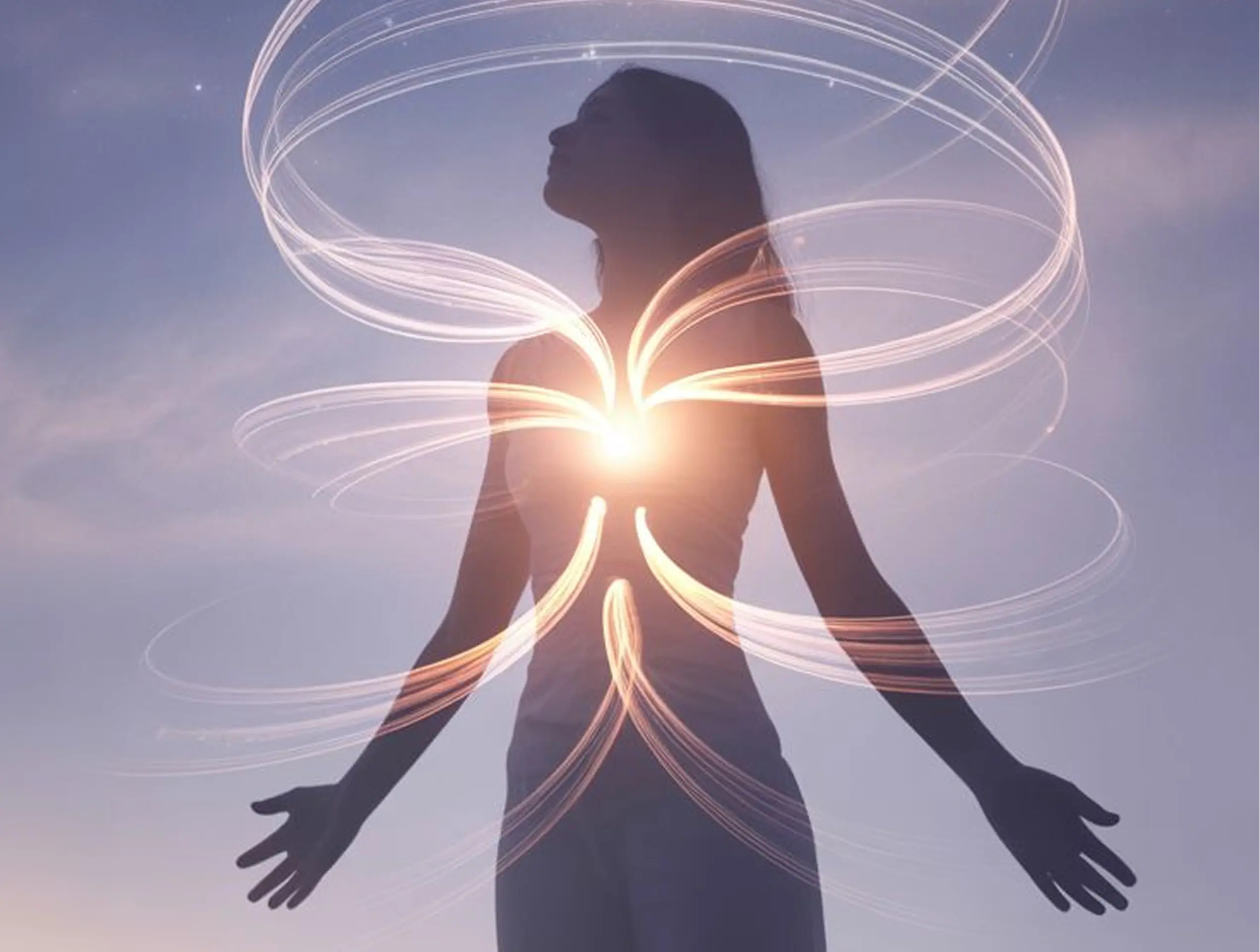
Body-mind connection- it does feel like straight out of some metaphysical or modern-day spiritual concept, right? Well, no. While awareness of the body-mind connection and how emotional stress affects the body is widespread, there are moments when we take our bodies for granted.
Many of us tend to pay less attention to the signals our bodies give. Even when we say the focus is on a healthy life, we actually don’t mean it. Trying that extra hard gym workout or stuffing down 2 bowls of salads – even when exercise and diet are important, what is equally important is to understand what we are focusing on, how fast we are moving, and whether we have enough fuel to make it through the day. And, the fuel here refers to the inner stability.
Can we think our way into peace? Well, thinking is just the starting point. The very moment you find the desire to seek peace is a clear signal that you need a huge makeover in your life. It is not a humongous task, though. You can incorporate small rhythms that restore inner stability, allowing you to experience magnificent changes without pushing yourself harder.
The Language of Your Body
Your body is never silent. It is constantly communicating with you through emotional signals. However, most of us have been taught to ignore these signals. We feel a tightness in the chest and call it "indigestion." We feel a knot in the shoulders and call it "bad posture."
In truth, these are often the ways your body processes what your mind cannot handle. Being aware of the messages the body communicates to you is one of the important ways to feel stable from within, because stability is an inner experience. It is your tune that is aligned with the rhythm of the Universe.
Here are seven small rhythms to help you release what you are holding and find your center again.
1. The "Wholehearted Contribution" Check
Stability often vanishes when we feel like a victim of our circumstances. A powerful rhythm is to pause in the middle of a stressful moment and ask: "How can I contribute wholeheartedly to this situation?"
When you shift from "What is this doing to me?" to "What can I give to this?", your posture changes. Your chest opens, and your breathing deepens. your internal state from defense to presence. You are not just surviving the moment, but you are taking charge and leading yourself through it.
2. The Finger-Tap Anchor
When the mind begins to race, our energy scatters. A simple, invisible rhythm to pull yourself back is to lightly tap your middle finger over your index finger. This small, tactile sensation acts as a "pattern break" for emotional stress stored in the body.
By focusing on the skin-to-skin contact, you interrupt the mental loop and send a grounding emotional signal to your brain. It is a private way to practice body awareness in the middle of a crowd, reminding your nervous system that you are present and safe.
3. The Palate Breathing
A powerful way to bridge the gap between your thoughts and your physical self quickly is to take a deep breath with your mouth closed and the tip of your tongue resting gently against the upper palate (just behind your front teeth). This specific tongue position completes a physical "circuit" in the body, helping to settle the nervous system.
As you breathe deeply through your nose, the pressure on the palate signals the brain to move out of high-alert mode. It is a quiet, internal rhythm that flushes out emotional stress stored in the body, allowing you to regain your composure.
4. The Collarbone Tapping
When you feel a surge of overwhelm, your "fight-or-flight" response often tightens the chest and throat. A simple rhythm to break this tension is to gently tap your collarbones with the tips of your index and middle fingers for 10 seconds.
This area is a crossroads for the nervous system; tapping here helps reset your internal balance and encourages the heart rate to steady. It is a physical way of acknowledging emotional signals of anxiety and physically vibrating them out of the system. This brief rhythm ensures that emotional stress does not remain trapped in the body.
5. The Mantra Anchor
Many people use affirmations to hide from their feelings, but as a rhythm for stability, we use them to stay with ourselves. Choose a simple phrase - a mantra - and repeat it mindfully. This is not about "positive thinking" to bypass the truth, but about using sound and intention as anchors.
When you feel emotional signals of fear or doubt, the mantra gives your mind a place to rest. It gives the brain a steady rhythm to follow as the body processes the emotional stress stored there. It is a way of saying, "The storm is here, but I am the rock."
6. Ankle Rotation
The feet and ankles are the furthest points from the brain, and they often serve as the "bottleneck" for our daily tension. A simple, rhythmic rotation - seven times clockwise and seven times counter-clockwise - acts as a physical release valve.
Whether you are sitting at a desk or lying in bed before sleep, this movement forces you to bring body awareness all the way down to your foundation. It smooths out the mind-body connection by physically "unwinding" the day. This small rhythm signals the nervous system to feel safe, grounding your energy and preparing you for rest.
7. The Thought Emptying
Your brain is a physical part of your body. When it is cluttered with unfinished thoughts, your muscles stay "on guard." The rhythm of The Thought Emptying is about moving that weight from your mind onto a page or a digital screen.
You don’t need to follow a structure; just let the words flow until the noise is gone. As you let the mental pressure ease, you give your nervous system permission to relax, ensuring today's worries don't become tomorrow's physical pain.
Walking the Path
Inner stability is not the absence of stress. Life will always bring challenges. Stability is the ability to return to your center quickly after being shaken.
When you practice these rhythms, you will become aware of stress before it becomes a chronic ache. You recognize the emotional signals when they are still whispers, rather than waiting for them to become screams. You begin to treat your body with the kindness it deserves, understanding that it has been carrying your history, your fears, and your hopes all along.
Stop trying to fix your life with more thinking. Start by calming your house - your body.